H1: Foundation 101: How to Choose the Right Shade for Your Skin Tone
H2: Introduction to Foundation Basics
- H3: Why Foundation Matters
- H3: Common Challenges in Finding the Right Shade
H2: Understanding Your Skin Tone
- H3: What Is Skin Tone?
- H3: Undertones Explained (Warm, Cool, Neutral)
H2: Identifying Your Skin Undertone
- H3: The Vein Test
- H3: Jewelry Preferences
- H3: The White vs. Off-White Test
H2: Selecting the Right Foundation Type
- H3: Liquid Foundations
- H3: Powder Foundations
- H3: Cream Foundations
H2: Matching Foundation to Your Skin Tone
- H3: Testing Swatches on Your Jawline
- H3: Checking Under Natural Light
- H3: Seasonal Adjustments
H2: Tools for Application
- H3: Brushes, Sponges, and Fingers
- H3: When to Use Each Tool
H2: Blending Techniques for a Flawless Look
- H3: Building Coverage Gradually
- H3: Avoiding Harsh Lines
H2: Common Mistakes to Avoid
- H3: Testing Shades on Your Hand
- H3: Ignoring Oxidation
H2: Tips for Shopping Online
- H3: Using Shade Finders
- H3: Reading Reviews and Swatch Comparisons
H2: Foundation for Special Skin Types
- H3: Oily Skin Considerations
- H3: Dry Skin Considerations
- H3: Acne-Prone Skin Considerations
- H2: Caring for Your Skin Before Applying Foundation
- H3: Cleansing and Exfoliation
- H3: Moisturizing and Priming
- H2: Affordable vs. High-End Foundations
- H3: What’s the Difference?
- H3: When to Splurge and When to Save
- H2: Customizing Foundation Shades
- H3: Mixing Shades for a Perfect Match
- H3: Adding Pigments or Adjusters
- H2: Long-Lasting Foundation Hacks
- H3: Setting Your Foundation Properly
- H3: Touch-Up Tips
- H2: Conclusion
FAQs
- What is the best way to test foundation shades in-store?
- How can I determine my undertone if I'm still unsure?
- Are there foundations specifically for combination skin?
- How do I prevent my foundation from looking cakey?
- Can I use foundation without a primer?Foundation 101: How to Choose the Right Shade for Your Skin Tone
Introduction to Foundation Basics
Why Foundation Matters
Foundation is the canvas of your makeup routine. It evens out your complexion, conceals imperfections, and creates a flawless base for the rest of your makeup. But choosing the wrong shade can leave you looking washed out or overly orange.
Common Challenges in Finding the Right Shade
From overwhelming options to poor lighting in stores, picking the perfect shade can feel daunting. Luckily, a few simple guidelines can make the process much easier.
Understanding Your Skin Tone
What Is Skin Tone?
Your skin tone is the natural color of your skin, ranging from fair to deep. It serves as the foundation (pun intended!) for finding the right makeup products.
Undertones Explained (Warm, Cool, Neutral)
Undertones are the subtle hues beneath your skin's surface.
- Warm: Yellow, peach, or golden hues
- Cool: Pink, red, or bluish tones
- Neutral: A mix of both warm and cool
Identifying Your Skin Undertone
The Vein Test
Look at the veins on your wrist. Green veins suggest a warm undertone, while blue or purple veins indicate a cool undertone. If it’s hard to tell, you’re likely neutral.
Jewelry Preferences
Do you look better in gold or silver jewelry? Gold suits warm undertones, while silver complements cool tones.
The White vs. Off-White Test
Hold a piece of white fabric next to your face, then try off-white. If white enhances your skin, you’re cool-toned; if off-white looks better, you’re warm-toned.
Selecting the Right Foundation Type
Liquid Foundations
Great for most skin types and offers a variety of coverage levels.
Powder Foundations
Perfect for oily skin or a matte finish.
Cream Foundations
Ideal for dry skin or fuller coverage.
Matching Foundation to Your Skin Tone

Testing Swatches on Your Jawline
The jawline is the best area to test foundation as it blends the face and neck for a seamless look.
Checking Under Natural Light
Store lighting can be deceptive. Step outside to see how the shade looks in natural light.
Seasonal Adjustments
Your skin tone may change with the seasons, so consider having a summer and winter foundation.
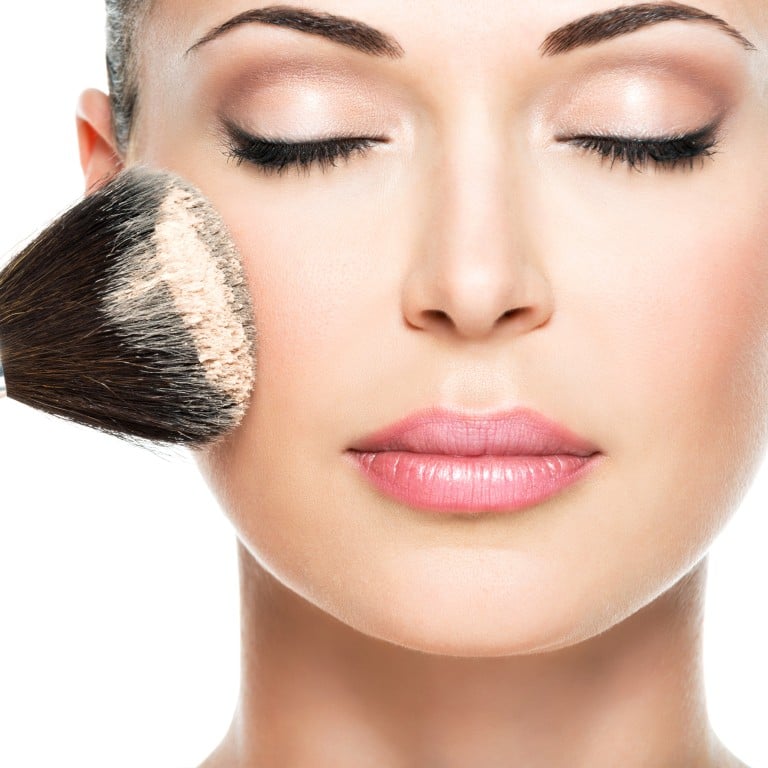
Tools for Application
Brushes, Sponges, and Fingers
Each tool offers unique results. Brushes provide precision, sponges blend seamlessly, and fingers give a natural finish.
When to Use Each Tool
Use a brush for full coverage, a sponge for blending, and fingers for quick touch-ups.
Blending Techniques for a Flawless Look
Building Coverage Gradually
Start with a small amount of foundation and build up as needed to avoid a cakey appearance.
Avoiding Harsh Lines
Blend well into your hairline, jawline, and neck for a natural look.
Common Mistakes to Avoid
Testing Shades on Your Hand
Your hand often doesn’t match your face. Always test on your jawline.
Ignoring Oxidation
Some foundations darken after application. Wait a few minutes before finalizing your choice.
Tips for Shopping Online
Using Shade Finders
Many brands offer online tools to help match your shade.
Reading Reviews and Swatch Comparisons
Check customer reviews and photos for real-life examples.
Foundation for Special Skin Types
Oily Skin Considerations
Opt for mattifying and oil-free formulas.
Dry Skin Considerations
Choose hydrating foundations with a dewy finish.
Acne-Prone Skin Considerations
Look for non-comedogenic and lightweight options.
Caring for Your Skin Before Applying Foundation
Cleansing and Exfoliation
A smooth base starts with clean, exfoliated skin.
Moisturizing and Priming
Always prep your skin with moisturizer and primer for a long-lasting foundation.
Affordable vs. High-End Foundations
What’s the Difference?
Higher-end foundations often have better ingredients and shade ranges, but affordable options can also work wonders.
When to Splurge and When to Save
Splurge on your everyday foundation but save on trendy shades or formulas.
Customizing Foundation Shades
Mixing Shades for a Perfect Match
Blend two shades to create your ideal color.
Adding Pigments or Adjusters
Adjust foundations with lightening or darkening drops.
Long-Lasting Foundation Hacks
Setting Your Foundation Properly
Use a setting powder or spray to lock in your look.
Touch-Up Tips
Blot away oil and reapply powder for mid-day fixes.
Conclusion
Choosing the perfect foundation shade may take a little trial and error, but with these tips, you’ll nail it in no time. Remember, foundation is about enhancing your natural beauty, so don’t stress too much—practice makes perfect!
FAQs
What is the best way to test foundation shades in-store?
Swatch three close shades on your jawline and step into natural light to see which matches best.How can I determine my undertone if I'm still unsure?
Combine multiple tests, like the vein and jewelry tests, for a clearer result.Are there foundations specifically for combination skin?
Yes, look for formulas labeled as “balancing” or “suitable for all skin types.”How do I prevent my foundation from looking cakey?
Use a small amount, build coverage gradually, and blend thoroughly.Can I use foundation without a primer?
Yes, but a primer helps your foundation last longer and look smoother.
Comments
Post a Comment